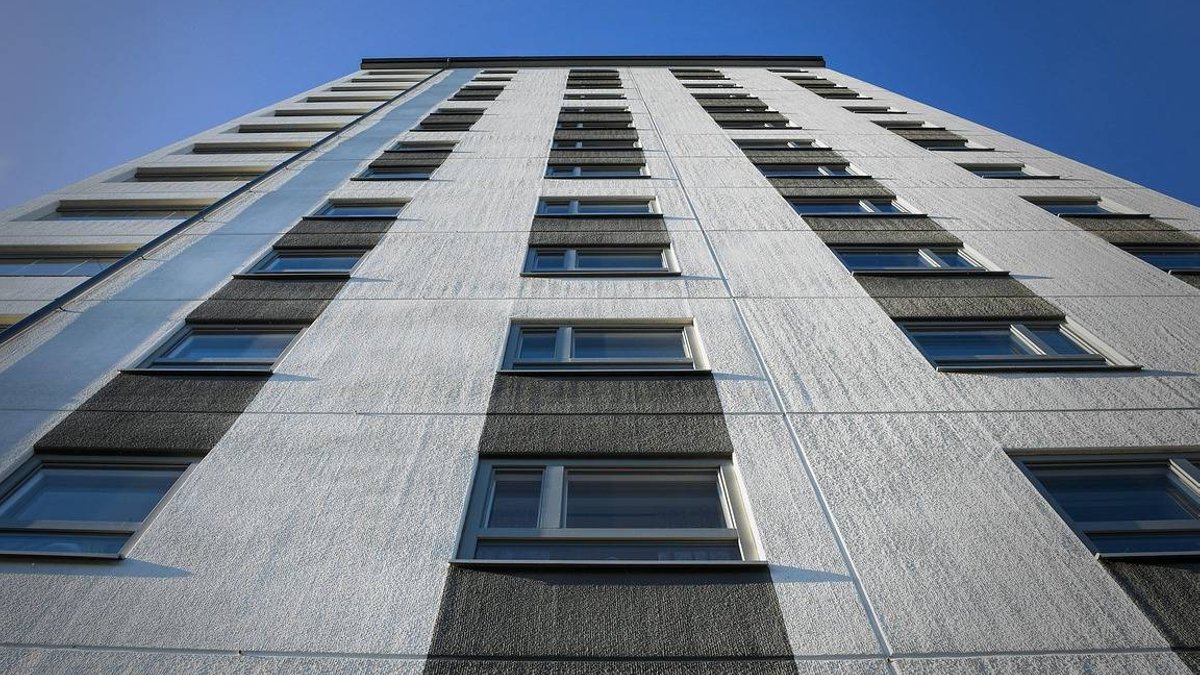
The Delhi Development Authority (DDA) has issued a mandate requiring structural safety audits for older buildings in Delhi. This order specifically targets high-rise structures sanctioned before March 21, 2001.
Owners and occupiers of these buildings must arrange and fund the audits within three months. The directive covers buildings over 15 meters in height, including housing societies, schools, colleges, hospitals, and other institutional buildings.
Why This Mandate Matters
The DDA’s order extends beyond high-rises to include older buildings below 15 meters that experience high foot traffic. This ensures that structures like institutions and public premises are also assessed for safety, regardless of height.
The mandate places financial responsibility on property owners or occupiers, who must hire empanelled structural engineers from municipal corporations, government departments, or organizations. These engineers will assess the buildings’ structural integrity and recommend necessary repairs or retrofitting.
This approach contrasts with past practices, where structural issues were often addressed only after problems arose. By shifting the responsibility to owners and occupiers, the DDA aims to proactively identify and mitigate potential risks in aging buildings.
Retrofitting and Compliance
Buildings found to have structural deficiencies will be required to undergo retrofitting or other corrective measures. However, the DDA emphasizes that retrofitting does not constitute approval for unauthorized construction or use.
Read Also: InvITs and REITs AUM to Double by 2030-31
Owners and occupiers must complete the audits and any necessary repairs within the three-month deadline. Failure to comply could result in legal action. This directive shows the importance of maintaining structural safety in Delhi’s older buildings, many of which have been in use for decades and may have undergone significant changes in occupancy or usage.
The mandate requires owners and occupiers to determine if their buildings meet the criteria, hire qualified engineers, and implement recommended measures. By focusing on older structures, the DDA aims to ensure the safety of residents, students, patients, and visitors in these buildings.
Audit Process and Responsibilities
The structural safety audit involves assessing the condition of the building and its structural components. This may include reviewing available drawings, inspecting the structure, and analyzing its parts based on age and nature.
Owners and occupiers must determine if their buildings meet the criteria, including sanction date, height, and foot traffic. They are responsible for hiring empanelled structural engineers from municipal corporations, government departments, or organizations to conduct the audit.
These engineers will evaluate the building’s structural integrity and recommend necessary repairs, reinforcement, or retrofitting. The audit results will guide the required corrective measures, ensuring the building’s safety.
Implementation and Compliance
Upon identifying structural deficiencies, buildings must undergo retrofitting or other corrective measures. Retrofitting may involve reinforcing existing structures, depending on the assessment findings.