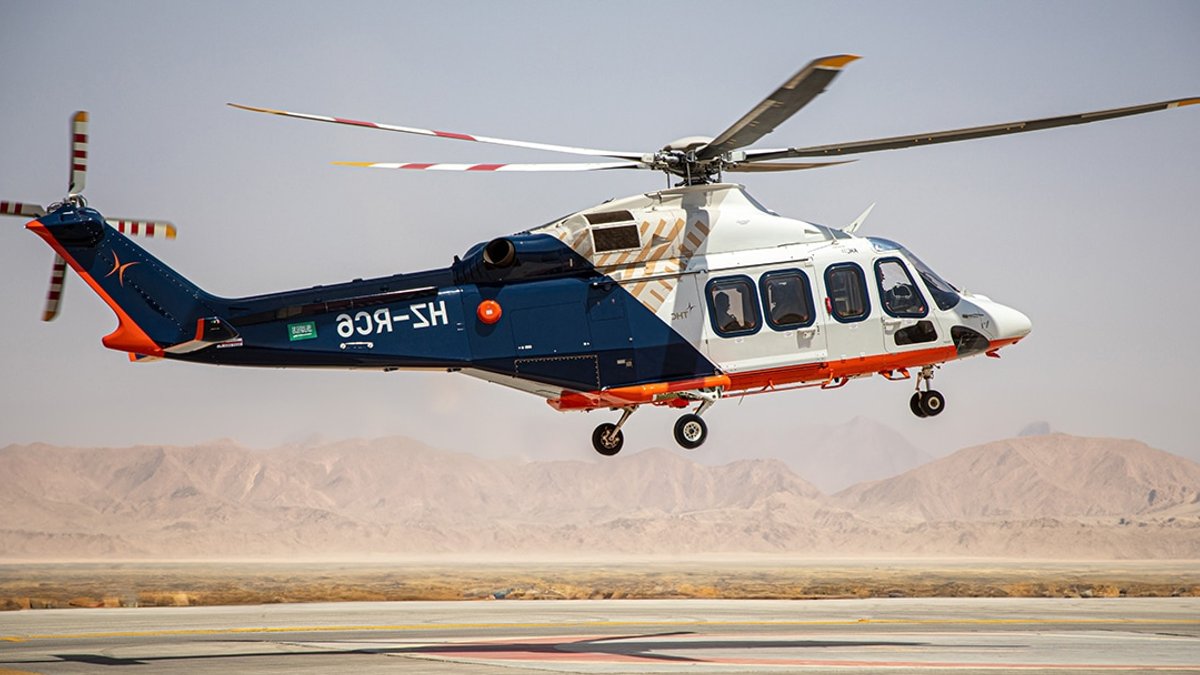
Helicopter Emergency Medical Services are reshaping emergency care across Saudi Arabia, addressing the country’s vast distances and complex terrain. Since launching in early 2022, this air ambulance program has become a critical component of the Kingdom’s emergency response ecosystem. The initiative connects patients in remote or underserved areas with specialised hospitals in major cities, narrowing the gap between where medical expertise is located and where emergencies occur.
Speed and Reach in a National Scale
Traditional ground-based systems often struggle to provide fast response times in a country defined by its geography. Historically, healthcare infrastructure has been concentrated in major cities, creating disparities for rural communities. The Saudi Healthcare Market 2025 report highlighted that these access gaps persist, with remote areas lacking sufficient primary care facilities while urban centers face growing pressure from internal migration.
Through the national HEMS program, operated in partnership with the Saudi Red Crescent Authority and supported by the operator, air ambulance coverage now reaches approximately 90 per cent of the Kingdom. More than 7,000 cases have been transported with a low mortality rate of 0.001 per cent. The fleet consists of approximately 23 helicopters dedicated to these operations, ensuring medical missions can be delivered across different geographies and urgency levels.
Related: Dubai property market to stay strong
Response time is often the deciding factor in survival for conditions like cardiac arrest or severe trauma. A study from 2018 covering 146,639 missions recommended achieving response times within 20 minutes to improve survival rates. Internationally, advanced systems typically aim for a 20 to 30-minute response radius. The Helicopter Company has set a target of no more than 15 minutes from engine start, a benchmark that requires precision coordination between specialised crews, aircraft, and medical equipment.
HEMS is supporting critical sectors and strategic government-led projects across the Kingdom, including through partnerships with entities such as the Saudi Red Crescent Authority, the Royal Commission for AlUla, Red Sea Global, and NEOM. Helicopters can connect patients in underserved or difficult-to-reach areas with specialised hospitals in major cities, helping to narrow the gap between where medical expertise is located and where emergencies happen.
Behind these numbers are real patients, families, and medical teams working against time. In emergency care, speed is not a luxury. It can determine whether a patient reaches the right care at the right moment. As Saudi Arabia continues to transform its healthcare and aviation sectors under Vision 2030, HEMS is emerging as a critical enabler of national readiness, healthcare resilience, and quality of life.
Related: Blackstone expands into Kuwait
The Helicopter Company continues to integrate modern communication and navigation systems to support faster decision-making during emergencies. This integration of aviation, medicine, and technology allows teams to operate with greater confidence and improves readiness across different environments.
Dr. Mohammed Alwadei, GM of Medical Services at THC, noted that the operation reflects a commitment to setting new standards. “We continue to push new boundaries and remain committed to setting new standards in aviation,” he said.
Behind these technologies lies a need for highly specialised training. Air ambulance operations require a unique combination of aviation expertise, emergency medicine, and teamwork under pressure. Pilots and air paramedics undergo advanced preparation to handle difficult terrain, limited landing options, changing weather, and nighttime operations. The Saudi Red Crescent Authority collaborates with international organisations to align these capabilities with global best practices. This investment in skilled professionals is as critical as the investment in aircraft and technology.