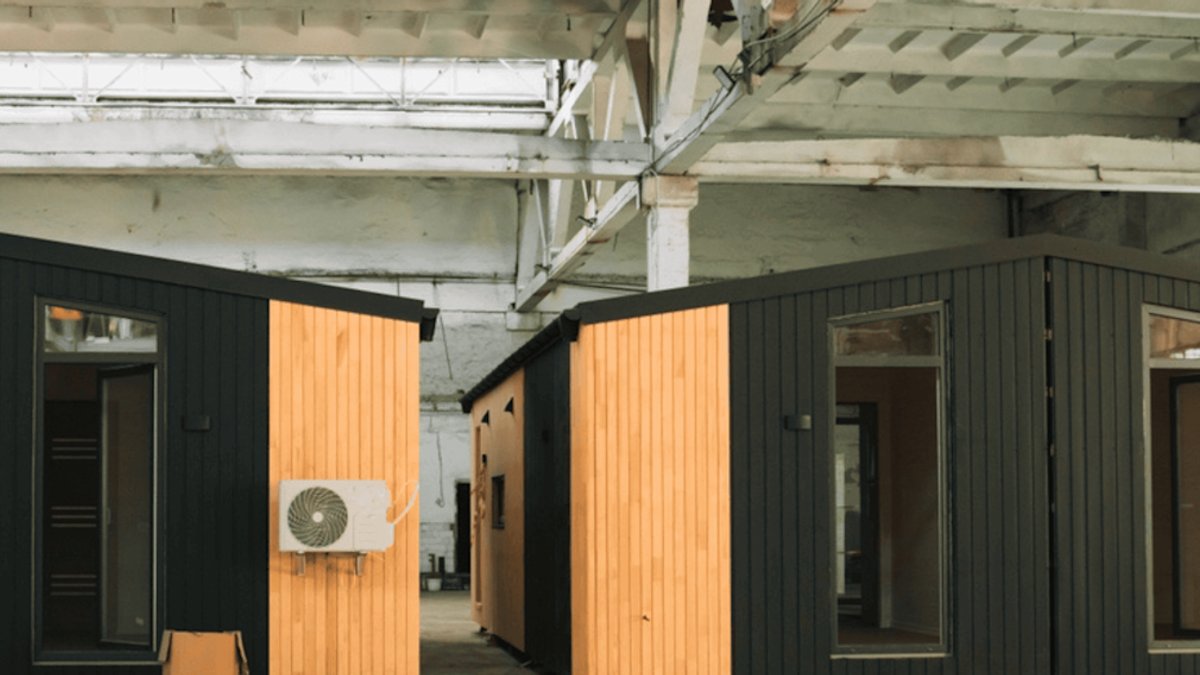
Keller Williams has launched a new community designed to help real estate agents work in the rapidly expanding modular housing market. The franchise giant announced KW Modular during its Mega Agent Camp 2026, introducing specialized training and networking opportunities for agents looking to serve buyers, landowners, builders, and developers in this emerging sector.
Training and certification for a new property type
Scott Malouff, community leader at KW Modular and founder and CEO of the San Antonio-based Malouff International Group, said the initiative provides agents with tools, contacts, and education so they can confidently participate in factory-built home transactions. The program covers modular transactions, land and development, and financing, while also offering certification opportunities for agents who complete the coursework.
Agents who join the community will connect directly with modular builders and developers, giving them a direct pipeline to the industry. Malouff noted that he spent nearly two years touring modular factories across four continents to understand the process and its impact on the industry. Those efforts convinced him that factory-built homes can play an increasingly important role alongside site-built construction.
Modular construction has the potential to bring greater efficiency, consistency, and predictability to home building, according to Malouff. This is particularly relevant as labor shortages and affordability issues continue to pressure the broader construction market. The program aims to arm agents with the specific knowledge needed to identify these opportunities and guide clients through the unique aspects of modular projects.
Market growth and legislative support
Modular homes are steadily gaining market share in the United States and Canada. The Modular Building Institute reports that permanent modular construction was a $20.5 billion industry in 2025, accounting for about 5.1% of U.S. construction activity. The institute estimates the market will grow at a compound annual rate through 2030.
Industry leaders argue that modular construction is gaining ground because it addresses immediate problems facing owners and communities. MBI Executive Director Tom Hardiman noted in a blog post that the industry creates new opportunities to bring greater efficiency, consistency, and predictability to the building process. He emphasized that the opportunity is not simply to build faster, but to deliver greater certainty, quality, and capacity across markets that need it most.
The 21st Century ROAD to Housing Act, which became law in early July, may further support the industry’s expansion. The legislation includes provisions that eliminate some financial barriers in FHA construction programs and streamline building codes for factory-built homes, which will likely benefit companies involved in real estate deals.
They are working to make the most of this emerging sector.
Modular construction is becoming more important.