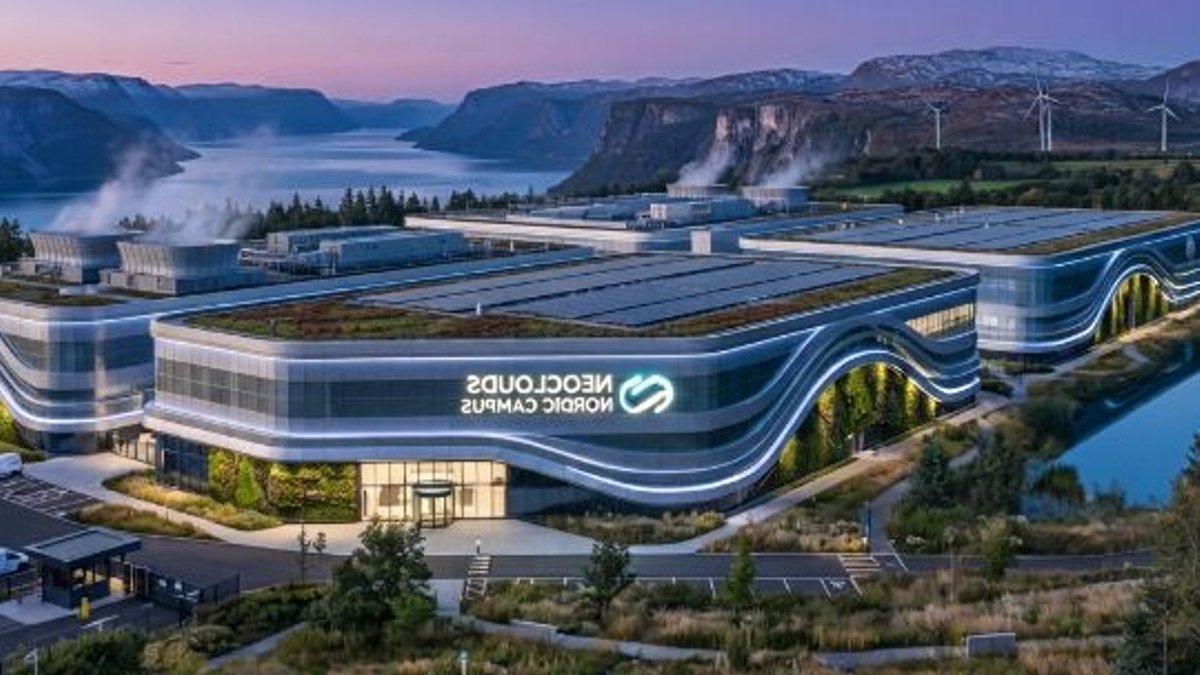
The rapid expansion of neocloud companies is reshaping the European data centre leasing market as providers move away from previous caution toward aggressive capacity commitments. Research indicates that signings for AI-focused colocation capacity reached 420MW in the first half of 2026, a sharp increase from the 89MW recorded during the same period last year.
This surge marks a nearly five-fold jump, signaling that investors and lenders now view these entities as a core occupier class. Geography plays a major role in this trend, with 66 per cent of newly contracted capacity located in the Nordic region.
Developers are prioritizing these locations for access to low-cost, abundant renewable power rather than traditional proximity to major financial hubs. Andrew Jay, head of data centre solutions for Europe at CBRE, notes that these firms have become viable occupiers taking capacity at scale in markets where affordable energy is the norm.
The current activity mirrors the transition seen in the early days of hyperscale cloud adoption. Initial skepticism surrounding new business models eventually gave way to standardized, long-term infrastructure contracts. Much like those early deployments, the current surge is testing the limits of regional grid infrastructure and forcing developers to adapt their site selection strategies.
While the demand for compute power is immense, the concentration of load in the Nordic region creates potential pressure on local power availability. Grid capacity and connection queues could tighten as developers struggle to bring new supply online to meet the AI-driven load. This situation represents a risk factor that may influence future lease terms and investment returns as the local cost advantage becomes a scarcer resource.
The financial foundation of these deals remains a focus for the industry. Kevin Restivo, director of European data centre research at CBRE, says that several companies in this space have secured investment-grade customers, which supports their ability to lock in capacity and meet the requirements of complex workloads. This improved credit profile has facilitated deployments in parts of Europe where such large-scale development was previously uncommon.
Operators continue to implement protective measures. Many are still requiring rental deposits and letters of credit to hedge against the possibility that some fast-growing firms may not mature into stable, long-term tenants. These requirements demonstrate that while the sector has moved past its initial hesitation, underwriting discipline remains a standard part of the contracting process.
The scale of this shift marks one of the most notable changes in European commercial real estate demand patterns during the current calendar year. As the market manages these requirements, the focus remains on where capital, power, and construction pipelines are directed throughout the remainder of 2026. The industry is currently balancing the need for rapid deployment with the reality of finite regional resources. Market participants anticipate that high demand will continue to drive asset values upward.