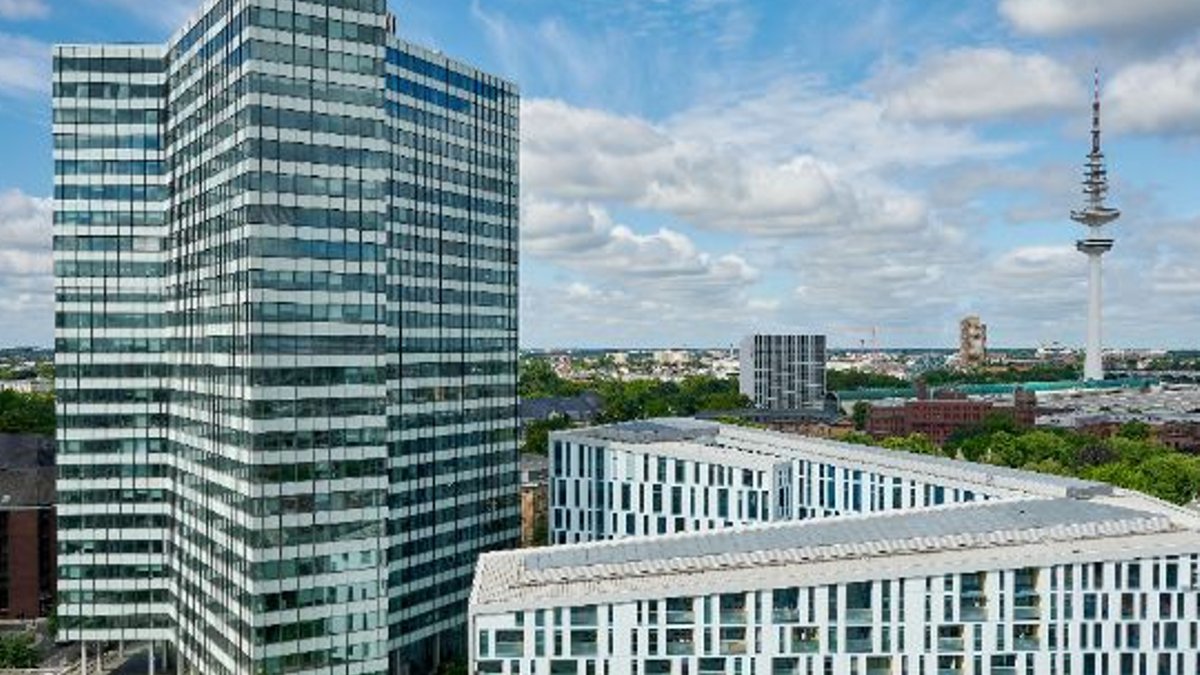
Union Investment Real Estate GmbH is restructuring its organization, merging four management divisions into three, and creating a unified real estate value chain to capture the recovery in Europe’s property markets. The company is replacing its existing structure with a new one, betting that a single, unified chain will position it to compete ahead of its competitors.
The new structure includes a Real Estate Management department, headed by Karim Esch, which combines investment and asset management into one function. This function will span the entire lifecycle of a property, from acquisition and letting to sustainability strategy, technical development, and eventual disposal.
Michael Bütter, Chairman of the Management Board at Union Investment Real Estate GmbH, said, “Bringing together investment and asset management puts us in the best possible position to benefit from recovery in the property markets. It will enable us to maximise the value we add for our private and institutional clients.” He also noted that the company anticipates high rental yields will have a greater impact on total return than higher valuations in the new market cycle.
The restructuring comes with the departure of Henrike Waldburg, a long-serving board member who has overseen asset management across a portfolio worth more than €40bn spread over 22 national markets. She will step down effective 31 August 2026. Frank Engels, Chairman of the Supervisory Board, thanked Waldburg for her exceptional dedication and lasting contribution to the development of the company.
New Leadership Roles Defined
Bütter retains overall responsibility for strategy, fund management, and marketing, while Gerald Kremer, COO, takes on an expanded Operations brief covering infrastructure, technology transformation, product development, data management, property research, real estate law, tax, and participation management.
Union Investment Real Estate intends to gradually widen the investment universe of its existing and future funds to include property-related social infrastructure, such as healthcare, education, and civic assets, alongside a continued focus on core European markets. This pivot toward social infrastructure signals fresh institutional deal flow into a subsector that has historically struggled to attract large-scale capital.
Developers active in healthcare, education, or public-sector-adjacent real estate should take note of a major German asset manager actively building capacity to acquire in this space. The company’s move reflects a broader shift across European real estate platforms, where investment and asset management functions are increasingly being merged under single leadership to compete for institutional mandates, making the living sector a key area of focus.
European Property Market Shifts
The restructuring and departure of Waldburg suggest a platform positioning itself deliberately for what comes next. Union Investment Real Estate GmbH is a Hamburg-based real estate platform that manages tens of billions of euros in assets. The company’s new structure and strategy are designed to capture the recovery in Europe’s property markets and compete ahead of its competitors.
The changes at Union Investment Real Estate GmbH are part of a larger trend in the industry, where companies are adapting to changing market conditions and positioning themselves for future growth. As the company moves forward, it will be important to watch how its new structure and strategy play out in the market, particularly in cities like Warsaw, which is emerging as a key European investment hub.
They are focused on the future.
The company’s strategy is clear.
Unified Approach to Growth
Furthermore, the integration of investment and asset management under one function will enable Union Investment Real Estate GmbH to respond more quickly to changing market conditions, allowing for more effective decision-making and a more streamlined approach to property management. This unified approach will also facilitate the sharing of expertise and resources across different departments, ultimately benefiting the company’s clients and driving business growth.
In addition, the company’s expansion into property-related social infrastructure, such as healthcare and education, represents a significant opportunity for growth and diversification. This sector has historically been underserved by large-scale investors, and Union Investment Real Estate GmbH’s move into this space is likely to attract attention from developers and investors looking to capitalize on the growing demand for social infrastructure.
Overall, the restructuring of Union Investment Real Estate GmbH and its new focus on social infrastructure demonstrate the company’s commitment to adapting to changing market conditions and positioning itself for long-term success. As the European property market continues to evolve, it will be interesting to see how the company’s new strategy plays out and how it will impact the broader industry.