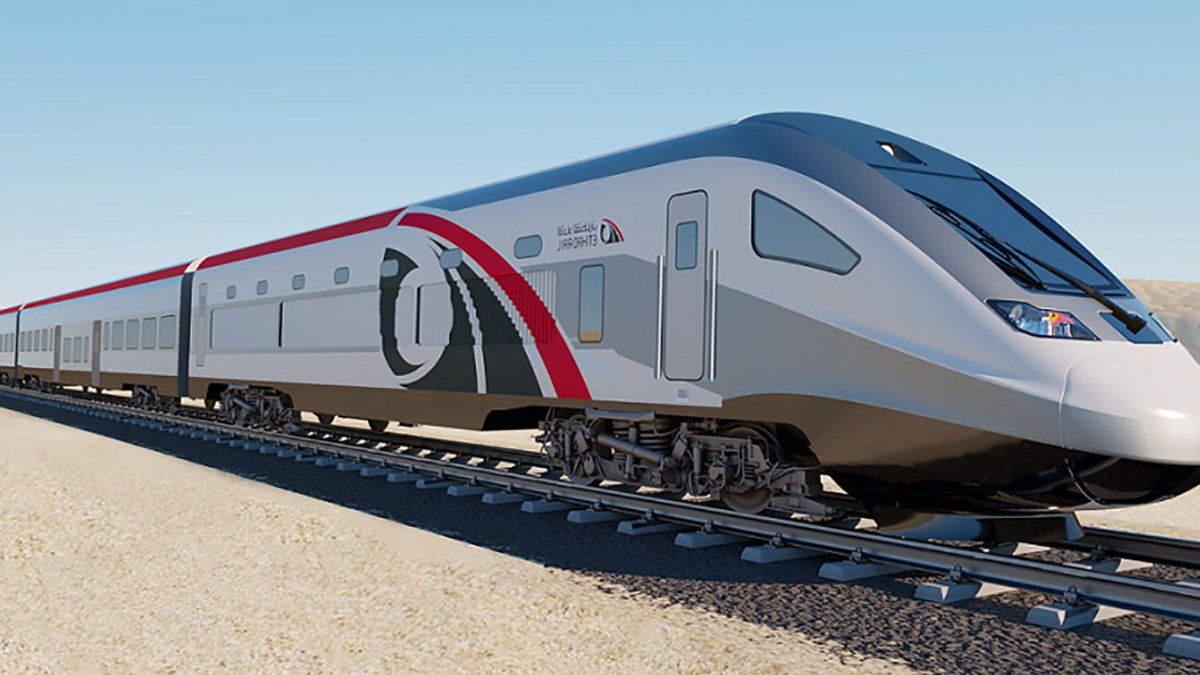
Abu Dhabi has launched two new bus routes to improve access to Etihad Rail’s passenger services, as demand for the recently introduced rail network grows. The expansion reflects a strategic effort to enhance connectivity between urban centers and the national rail system, reducing reliance on private transportation while supporting the emirate’s broader mobility goals. By integrating bus services with rail operations, authorities aim to create a more cohesive public transport ecosystem that caters to both daily commuters and occasional travelers.
New routes link key city hubs to rail stations
The new services, named MR1 and MR2, connect Mohammed bin Zayed City Train Station with the Main and Al Zahya Bus Stations in both directions. These routes were introduced in response to increasing ridership on Etihad Rail’s initial passenger line, which began operations on June 30. The decision to establish these connections shows the importance of last-mile solutions in public transport, ensuring that passengers can easily transition between different modes of travel without unnecessary delays or inconvenience.
The Main and Al Zahya Bus Stations serve as critical nodes in Abu Dhabi’s existing bus network, handling a significant volume of daily passengers. By linking these stations directly to the rail system, the new routes eliminate the need for multiple transfers, simplifying journeys for those traveling from peripheral areas to central locations. This integration is particularly beneficial for residents of Mohammed bin Zayed City, a densely populated district that has seen steady growth in recent years. The move also aligns with the emirate’s urban planning objectives, which prioritize efficient movement between residential, commercial, and recreational zones.
Officials said the additional routes aim to create a more seamless travel experience for riders. A separate Dh10 shuttle bus also operates from the same station, ferrying passengers to destinations like the ADNOC Headquarters on Corniche Road West, ADNEC Centre, and Reem Mall. The shuttle service addresses a common challenge in public transport: the difficulty of reaching specific high-traffic locations that may not be directly served by rail or bus lines. By offering a low-cost, on-demand option, the shuttle enhances the overall accessibility of the rail network, particularly for business travelers, event attendees, and shoppers.
The ADNOC Headquarters, a prominent landmark on Corniche Road West, is a frequent destination for corporate and government-related travel. ADNEC Centre, meanwhile, hosts numerous exhibitions, conferences, and cultural events throughout the year, drawing visitors from across the UAE and beyond. Reem Mall, a major retail and entertainment hub, serves as another key attraction, particularly for families and tourists. The inclusion of these destinations in the shuttle service demonstrates a targeted approach to meeting the needs of different passenger segments, ensuring that the rail network remains relevant to a wide range of users.
Bookings for the shuttle can be made through the Etihad Rail app or the company’s website, which officials describe as a digital-first service. The emphasis on digital solutions reflects a broader trend in the UAE’s transport sector, where mobile applications and online platforms are increasingly used to streamline ticketing, scheduling, and real-time updates. The Etihad Rail app allows passengers to plan their journeys, track shuttle availability, and receive notifications about delays or changes in service. This level of integration not only improves convenience but also reduces the administrative burden on transport operators, enabling them to allocate resources more efficiently.
Expanded service and tighter transport coordination
Etihad Rail is working with local transport authorities to synchronize bus and taxi schedules with train arrivals and departures. The effort is part of a broader push to streamline onward travel for passengers, minimizing wait times and reducing congestion at transit hubs. Coordination between different transport modes is a complex logistical challenge, particularly in a rapidly expanding city like Abu Dhabi, where infrastructure development must keep pace with population growth and economic activity. By aligning schedules, authorities can ensure that passengers experience fewer disruptions, making public transport a more attractive alternative to private vehicles.
Related: Office Conversions Save Vital City Space
The collaboration extends beyond buses and taxis to include other forms of mobility, such as ride-hailing services and micro-mobility options like e-scooters and bike-sharing. While these modes are not yet fully integrated into the rail network, their inclusion in future planning could further enhance the flexibility of Abu Dhabi’s transport system. For instance, passengers arriving at Mohammed bin Zayed City Train Station could seamlessly transition to a shared e-scooter for the final leg of their journey, reducing the need for additional transfers or long walks.
On Thursday, the company announced it was accelerating the opening of two major stations. Madinat Zayed and Liwa passenger stations, originally slated for later, will now open on November 30. The decision to fast-track these stations highlights the urgency of expanding the rail network to serve a wider geographic area. Madinat Zayed, located in the Al Dhafra region, is a key administrative and commercial center, while Liwa is a gateway to the vast desert settings of the UAE’s western reaches. The inclusion of these stations will extend the rail network’s reach beyond the immediate urban core, providing residents of more remote areas with improved access to Abu Dhabi’s economic and cultural hubs.
The expansion comes as the UAE continues to develop what officials call a modern, integrated, and sustainable transport network. The project is positioned as part of a wider strategy to deliver globally competitive infrastructure, though some regional analysts note that similar rail initiatives in neighboring countries have faced delays or cost overruns. The UAE’s approach differs in its emphasis on phased implementation, where operational segments are launched as they become viable, rather than waiting for the entire network to be completed. This incremental strategy allows for early adoption and feedback, enabling adjustments to be made before full-scale deployment.
The broader vision for the rail network includes not only passenger services but also freight operations, which are expected to play a key role in reducing road congestion and lowering carbon emissions. By shifting cargo transport from trucks to trains, the UAE aims to improve efficiency in logistics while contributing to its sustainability targets. The integration of freight and passenger services on the same network presents unique challenges, particularly in terms of scheduling and capacity management, but it also offers significant long-term benefits in terms of cost savings and environmental impact.
For now, the focus remains on connecting more of Abu Dhabi’s urban and suburban areas. The new bus routes and shuttle service are the latest step in that direction, offering riders more options to reach the rail network without relying on private vehicles. The success of these initiatives will depend on several factors, including the reliability of service, the affordability of fares, and the overall convenience of the travel experience. As ridership grows, authorities will need to monitor demand patterns and adjust services accordingly, ensuring that the network remains responsive to the needs of its users.
Still, the system’s long-term success may hinge on how well it integrates with existing transport—something officials say they’re prioritizing as ridership numbers climb. The challenge lies in creating a unified system where different modes of transport complement rather than compete with one another. This requires not only technical coordination but also public awareness campaigns to educate passengers on how to handle the network effectively. As Abu Dhabi continues to expand its rail and bus services, the ability to maintain a seamless, user-friendly experience will be critical in shaping the future of mobility in the emirate.