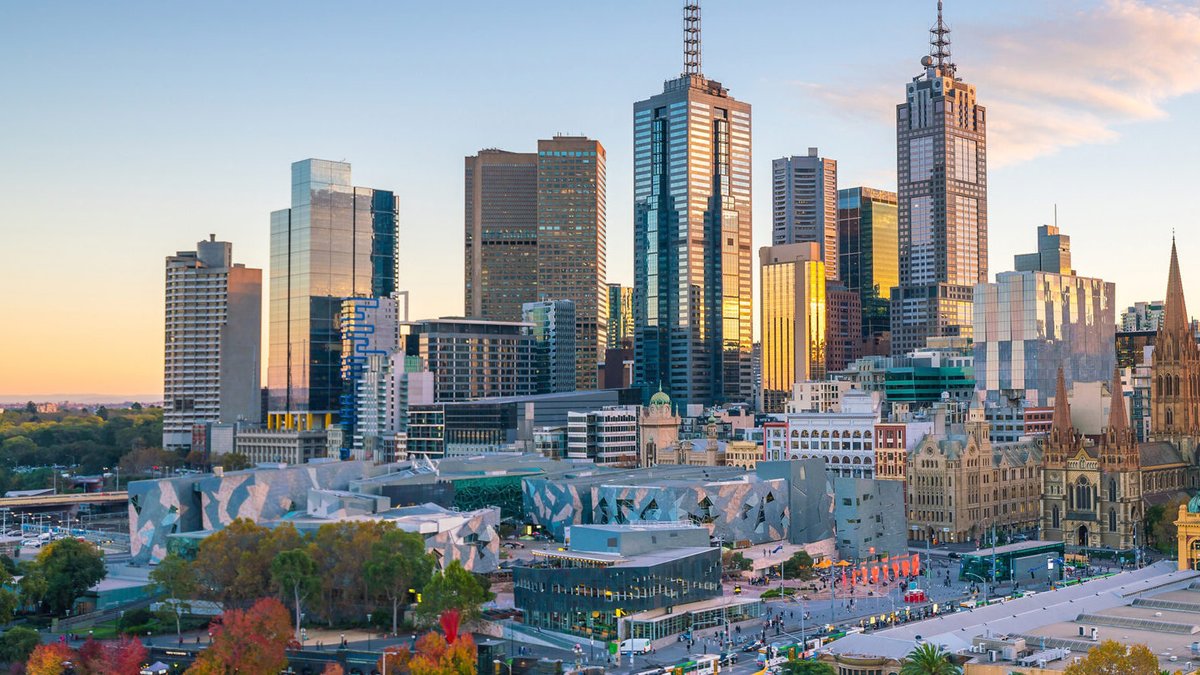
Melbourne’s apartment market has long trailed behind Australia’s broader property boom, even as cities like Brisbane and Perth saw home values climb sharply. While Melbourne’s housing fundamentals remain strong, its apartment sector has underperformed due to stagnant prices, leaving a notable gap between its long-term potential and current valuations. This disconnect now presents a buying opportunity—but only for investors who can distinguish between genuine undervaluation and temporary weakness.
According to JLL, Melbourne’s apartments represent the most undervalued residential sector in Australia, marking an unusual separation between price and market conditions. The city’s struggles stem from higher land taxes, reduced investor confidence, and shifting policies that have dampened demand. Yet the core drivers of housing need, population growth, rental pressure, and economic activity, have not weakened. The challenge lies in determining whether today’s discounts signal a temporary correction or the beginning of a sustained recovery.
Supply constraints are a major factor. Melbourne’s apartment construction pipeline has contracted sharply, with completions projected to hit multi-year lows. Rising costs, tighter financing, and developer caution have slashed new unit deliveries. Meanwhile, rental demand continues to climb, even as Melbourne’s rents remain among the lowest in major capitals. This imbalance between supply and demand rarely persists for long.
Scarcity vs. oversupply reshapes value
The market divides into two distinct segments. On one side are scarce, well-located units in established suburbs, properties with strong construction quality, larger living spaces, and high owner-occupier appeal. These assets drive long-term growth. On the other side are high-density developments where hundreds of identical units compete for investor interest. The first group benefits from scarcity; the second suffers from oversupply.
Investors targeting the wrong segment risk buying into a market that appears cheap for the wrong reasons. A discount does not guarantee value, particularly when it stems from oversupply or weak demand. The smarter approach is to focus on apartments where fundamentals align: limited stock, high owner-occupier interest, and proven resilience.
Melbourne’s population continues to grow through migration, interstate movement, and natural increases. Universities, job opportunities, and infrastructure ensure demand remains robust. The difficulty lies in identifying which suburbs and developments will capture this demand, and which will remain trapped in a cycle of stagnation.
Discounts vary, location and quality decide
A growing gap has emerged between apartment and house valuations in Melbourne. While the city’s house market has held steady relative to other capital cities, apartments have fallen further behind, now trading at a deeper discount compared to Sydney equivalents, JLL reports. This disparity highlights that Melbourne’s apartment sector, long overshadowed by its house market, may now offer a more pronounced buying opportunity. However, the discount varies significantly by location, construction quality, and demand drivers. In established suburbs where owner-occupiers dominate and supply is constrained, premiums over distressed stock can be substantial. In contrast, areas saturated with high-density developments reflect oversupply rather than underlying strength.
The rental market shows this imbalance. This contradiction, low rents paired with rising demand, typically precedes adjustments in supply and demand. With new apartment completions expected to hit multi-year lows, rental availability pressures should intensify. Developers have scaled back due to higher construction costs, stricter financing conditions, and reduced feasibility for mid-tier projects. The result is a shrinking pipeline of new units at a time when population growth remains strong. Overseas migration, interstate migration, and natural growth ensure Melbourne’s housing needs stay robust, but the current supply shortage suggests rental pressures could soon translate into broader price support for well-located apartments.
Melbourne’s apartment undervaluation reflects years of underinvestment, policy shifts, and misaligned supply and demand. While the city’s house market has remained resilient, apartments have lagged due to higher land taxes, reduced developer activity, and a decline in investor-driven purchases. Upcoming tax changes in 2026 have further cooled investor interest, but they have not diminished Melbourne’s fundamental appeal as a place to live. Population growth, economic diversification, and infrastructure investments ensure demand will persist, even if the market takes time to adjust.