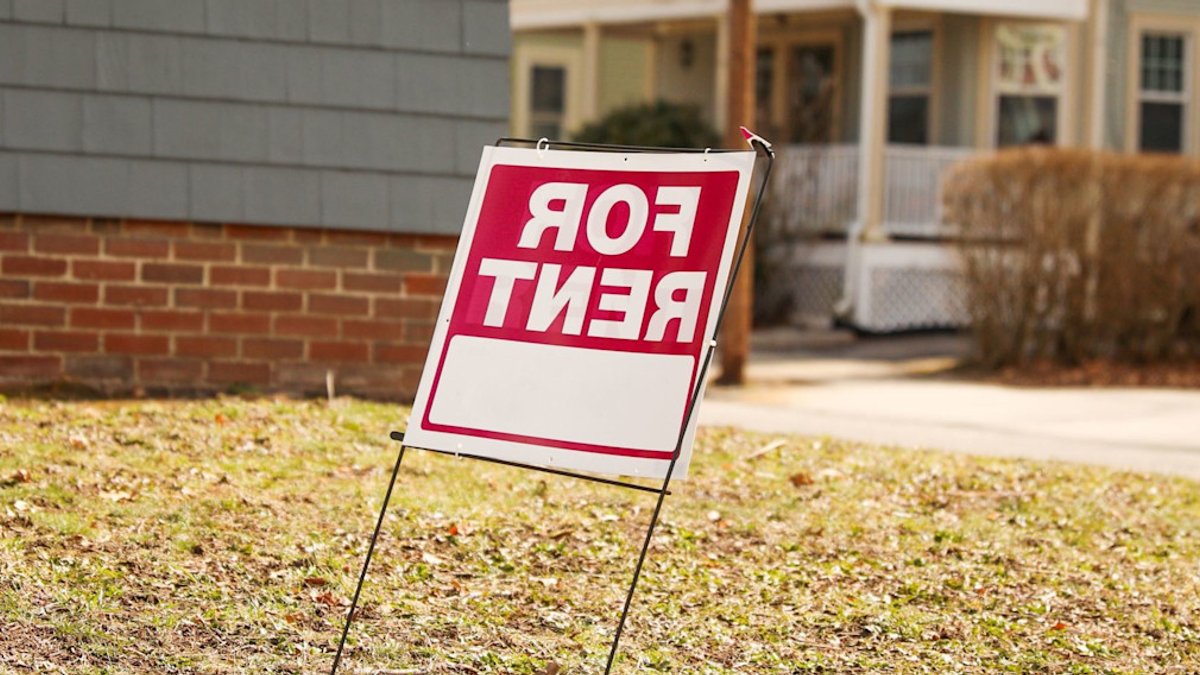
Rental listing fraud is evolving as scammers find new ways to bypass platform safety checks. Trust and safety leaders at rental software companies say bad actors are now recruiting U.S.-based freelancers and gig workers to post fake listings, aiming to avoid the red flags that usually appear when an account originates from outside the country.
The strategy represents a shift in how fraudsters operate. TurboTenant CEO Seamus Nally said that while fraudsters used to operate without understanding the security tools in place, they have now advanced to guessing or closely mimicking those protocols. The company’s head of trust and safety, Eric Taylor, said bad actors are leaning into methods that involve other humans to continue their schemes.
Taylor noted that the pace of these attacks is faster than ever before, especially in competitive rental markets like San Francisco. The fraudsters are moving quicker than the defenses being built to stop them, creating a constant cat-and-mouse game between attackers and platform administrators.
Related: Real estate agents at odds over sales
While major search portals and specialized rental screening companies can usually detect fake ads, some platforms are more vulnerable. According to the Federal Trade Commission, Facebook ads were the source of half of the rental scams reported in the year ending June 2025. The FTC also noted that young adults were three times more likely than those 30 and older to lose money in these schemes.
Research between 2020 and mid-2025 shows that consumers reported around 65,000 rental scams with losses totaling approximately $65 million. The agency noted that this figure likely represents only a fraction of the actual harm, as many victims do not report the incidents.
It is difficult for a casual browser to spot a fake listing if the fraudster has access to legitimate photos of the property. Scammers often use pictures of homes that are actually for sale, making it hard to distinguish between a legitimate rental and a trap set for renters.
Given the prevalence of these scams, industry leaders suggest that legitimate landlords may need to increase their scrutiny of where their properties are listed. Nally, who usually prioritizes speed and minimizing friction in the tech industry, said that taking extra time to verify a listing is necessary for the “better good and the trust of our entire industry.” He expects the use of enhanced verification methods to become more common as the problem persists.
Related: Abu Dhabi boosts rail links with major transport plan
Taylor predicts a future where authenticity is key. This could mean requiring more identification verification, which might slow down the posting process. He suggested that proving a property exists is essential, either through an in-person showing or a live video walkthrough that shows specific details like the house number and view from inside the unit.
Agents and landlords should routinely check online listings to ensure their units are not appearing on digital platforms they are not using. As technology advances, the focus is shifting toward human verification to ensure the listings are real. This trend parallels broader concerns regarding digital platforms and real estate agents at odds over sales, highlighting the ongoing struggle to maintain integrity in the rental market.
For those considering the broader implications of such market trends, it is useful to examine how infrastructure changes impact the sector. Major transport plans often reshape regional accessibility, similar to how new verification methods could reshape the setting of online rentals.