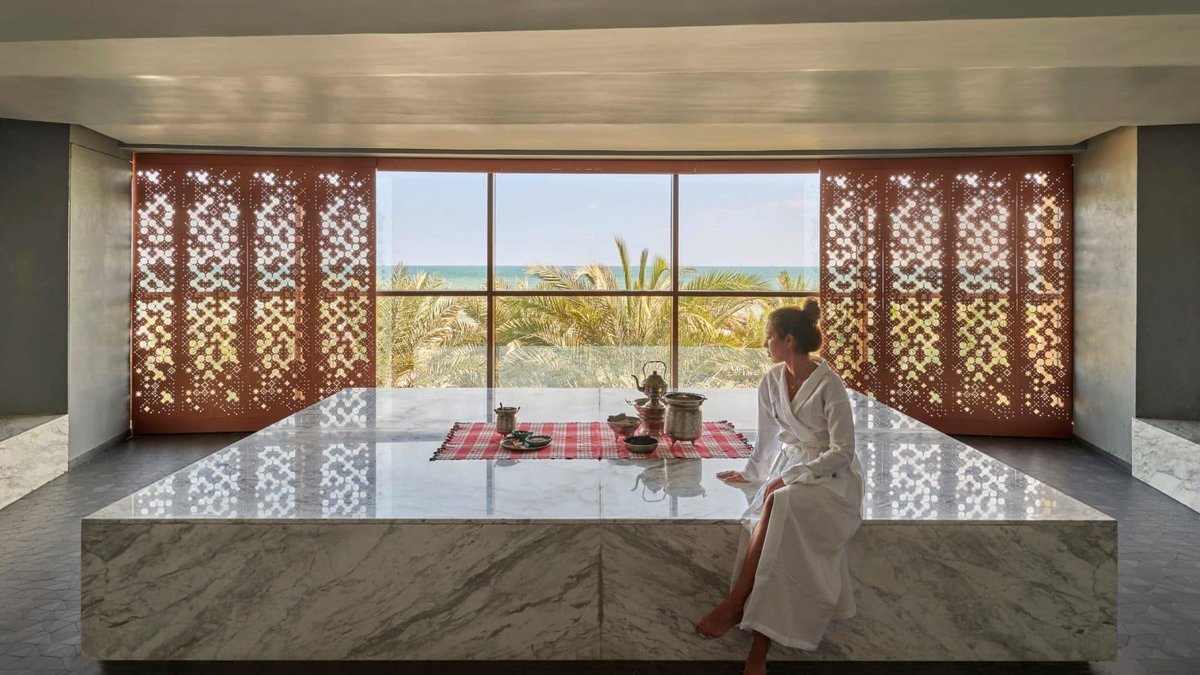
The surge in wellness tourism across the Middle East is reshaping how hotel operators design and market their properties, with an increasing focus on health‑centred experiences that go beyond traditional spa services.
Wellness as a Core Revenue Driver
According to the Spa Wellness Project Management (SWPM) firm, hotels in the region are treating wellness as a primary source of income rather than a peripheral amenity. The Dubai‑based company, which runs the Rayya Wellness and Wellbeings Holistic Healing brands, has expanded its portfolio to over 20 hotels since it launched in 2020. This growth mirrors heightened interest from hotel owners who prefer customized wellness concepts instead of standard outsourced spa contracts.
Christian Kiefer, the chief executive and founder of SWPM, says the hospitality sector has reached a turning point. “Guests no longer arrive at a spa for an hour to relax. They arrive with health goals, recovery targets and stress management needs, and they have done their research beforehand,” he explained. Kiefer notes a shift from “passive pampering to active transformation,” indicating that guests now seek measurable health outcomes during their stays.
Economic Backdrop and Market Size
Governments in the Gulf are positioning wellness tourism as a pillar of broader diversification plans. The UAE’s wellness tourism sector is now valued at more than $11 billion, supported by the UAE Tourism Strategy 2031. Saudi Arabia’s Vision 2030 earmarks wellness as a central component, with the kingdom’s market projected to reach $15 billion by 2033. New hotel developments linked to Vision 2030 giga‑projects are creating demand for operators that can meet international standards.
Related: Abu Dhabi boosts rail links with major transport plan
Beyond Saudi Arabia, Oman is emerging as a destination thanks to its diverse terrain and thermal spring resorts, while Qatar and Bahrain continue to broaden their hospitality offerings. These trends suggest that the region’s growth is not limited to a single market but is spreading across multiple Gulf states.
While the numbers paint a promising picture, the rapid expansion also brings staffing challenges. The UAE is slated to add more than 26,000 hotel rooms by 2026 as it aims for 40 million annual visitors. This increase intensifies competition for qualified wellness professionals, a sector already known for high turnover.
The integration of technology—such as cryotherapy and infrared saunas—into bespoke programmes differentiates these offerings from legacy spa models that often prioritize product sales over guest outcomes. “The result is a wellness operation that feels native to the hotel, not transplanted into it,” he noted.
From a broader perspective, the move toward integrated wellness reflects a shift in traveler expectations worldwide. As health‑focused experiences become a deciding factor for many vacationers, hotels that can embed wellness into every aspect of the stay—food, sleep, fitness, and even digital detox—are likely to see stronger occupancy and RevPAR figures. This alignment with guest priorities may also build loyalty, encouraging repeat visits and word‑of‑mouth promotion.
Related: Pfizer headquarters faces structural collapse risk
Future Outlook and Industry Challenges
Kiefer predicts that wellness will extend beyond the spa, influencing the entire guest journey. Future concepts may feature tailored nutrition plans, sleep optimisation programmes, and dedicated spiritual spaces. “The best hotel wellness operations of the next decade will be integrated into every touch point of the guest journey, not siloed into a basement spa,” he said.
Despite optimism, the industry must manage the balance between rapid growth and maintaining high standards. The demand for skilled practitioners, the need for ongoing staff training, and the pressure to deliver measurable health benefits will test operators’ ability to scale responsibly.
In the meantime, hotels that adopt a holistic, guest‑centric approach to wellness are positioning themselves to capture a share of the burgeoning market, while also contributing to the region’s broader economic diversification goals.