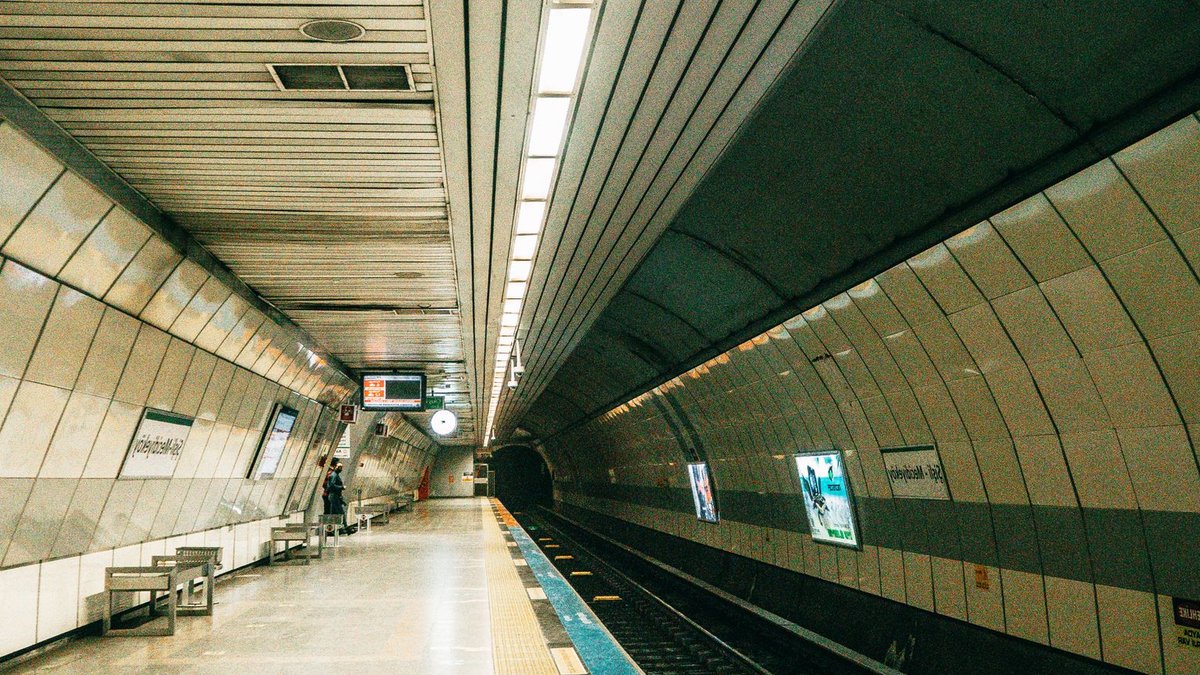
Sydney’s new Southwest Metro extension line opened on Friday, October 30, adding 10 stations from Bankstown to Marrickville. The driverless rail network now offers faster commutes and better connectivity for residents and businesses.
Commuters like Davron, who travels from Campsie to Martin Place, welcomed the change. He said the Metro cut his 60-70 minute commute in half. “The Metros are very fast and pretty convenient, more than buses,” he said.
Developers Invest Big in Metro-Adjacent Projects
The new line is already attracting major development. Arada is building a $302 million, 39-storey tower near Campsie station. CEO Ahmed Alkhoshaibi said that “significant public investment has gone into this [Metro] infrastructure.”
“What gave us the confidence to invest at scale was the Metro, together with the council’s vision for the town centre,” Alkhoshaibi said. “Transit-oriented development means more people using the Metro, more customers for local businesses, and residents with easy access to jobs, education and services across Sydney.”
At Bankstown, Sydney Anglican Property is progressing a $97-million TOD tower with an all-affordable housing yield of 186 apartments. CEO Ross Jones said that “healthy communities are built on good connections.”
“The provision of high quality transport infrastructure enables much-needed additional housing development in surrounding areas, including the kind of social and affordable housing being delivered on the St Paul’s site,” Jones said.
Third.i’s 300-home precinct in Marrickville will be less than 100m from the new Metro station. Partner Florian Caillon said that the Metro was a factor in site selection.
“I think the underlying opportunity these days needs to be more than just housing, and that’s delivered either by amenity, convenience or transport,” Caillon said. According to Caillon, the Metro has the potential to improve office and retail uses along the line, as well as commuter connectivity.
Read Also: Masdar takes over Greece’s largest solar project
Faster Commutes and New Connections
The Metro cuts up to 25 minutes off the Bankstown-to-Barangaroo trip. One passenger, Liam, praised the new stations: “They’re so cool.” He previously biked to bus stops, often riding the whole way due to unreliable service. Now, he connects seamlessly at Dulwich Hill.
Passengers also noted the convenience of the new line. One commuter mentioned a seven-minute trip from Crow’s Nest to Martin Place, while another highlighted the ability to travel all the way to Bankstown for food options. “You could keep going down the line all the way to Bankstown and indulge in food over there. So I think that’s something that’s pretty special. It genuinely breaks down those barriers and allows you to get there. In some instances, it’s a third of the time.”
The full 66km journey from Bankstown to Tallawong via the CBD takes 80 minutes, with services running every four minutes during peak periods. The line connects to heavy rail at Bankstown and Sydenham, and light rail at Dulwich Hill.
While some commuters celebrated, others were cautious. James, who travels from Leumeah to Bankstown, found the new route “probably about the same” as driving. “It’s great coming from Bankstown to the city, but I still find from Leumeah or Campbelltown …”
Passenger Experiences and Infrastructure Upgrades
Passengers report improved travel experiences with the new Metro line. One commuter highlights a seven-minute trip from Crow’s Nest to Martin Place, while another praises the seamless connection at Dulwich Hill after previously relying on unreliable buses. New plazas, pedestrian infrastructure, and upgraded facilities accompany station enhancements along the route.
A Two-Year Conversion Project
The 130-year-old T3 Bankstown line and its heritage stations were converted to Metro infrastructure over the past two years. Transport Minister John Graham said the project was funded without asset recycling or privatization. “This was the moment patience turned to jubilation,” he said. “These communities will now be better connected to jobs, education, health and entertainment across Sydney.”
The Metro network now has 46 stations, with 15 more under construction.