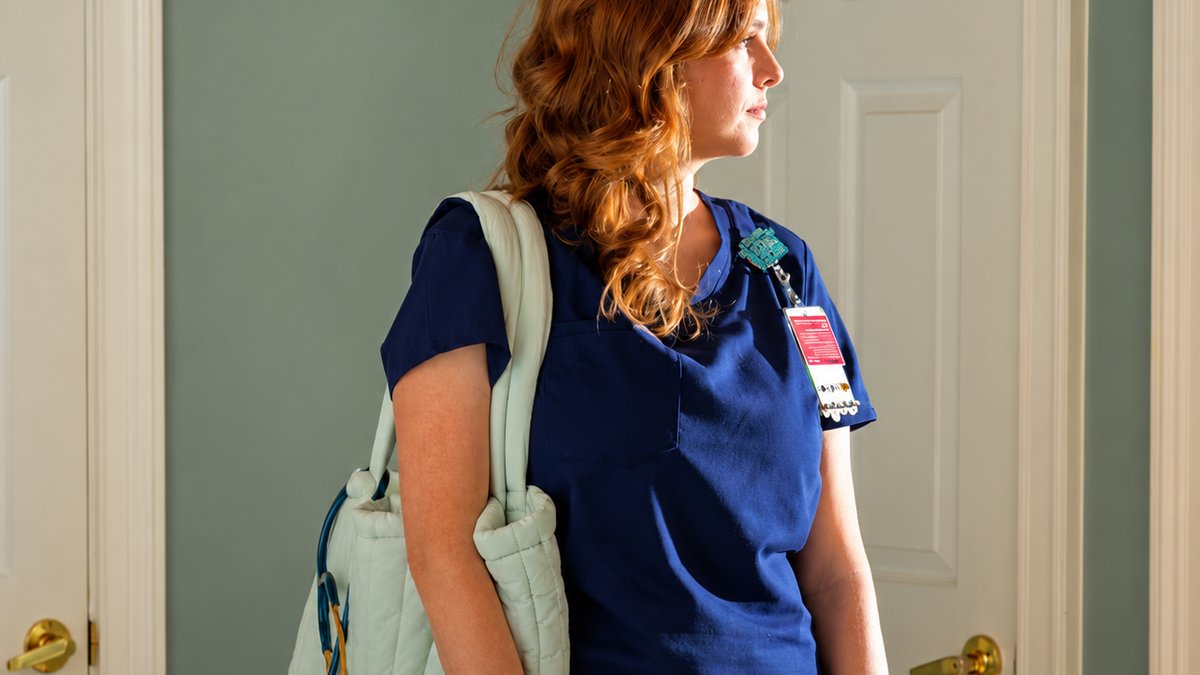
Paige Campbell became a nurse during the pandemic, seeking to make a difference. She landed a job at a Fort Walton Beach, Fla., hospital, working in the emergency department. Since then, she’s experienced violent incidents, including being kicked, spat on, and shoved to the ground. Last year, an emergency patient strangled her, prompting her to leave for a role remotely monitoring patients.
According to Campbell, the incident occurred after an ER patient she’d offered a blanket to became aggressive. “All I could think was, ‘I can’t breathe, I’m going to die here, and who’s going to tell my mom and dad?'” Campbell, 33, said. This incident is not an isolated case, as many nurses are facing similar challenges, leading to burnout and a desire to leave the front lines.
Nurses Face Burnout
America’s nurses are more educated than ever, with most holding a bachelor’s degree. Their income has increased significantly since the pandemic, with a median salary of $97,550 per year. However, despite being in high demand, many nurses are leaving the bedside due to burnout, understaffing, verbal abuse, and workplace violence.
Jeff Doucette, chief nursing officer at healthcare analytics firm Press Ganey, notes that there is no shortage of nurses in the country, but rather a shortage of nurses willing to work in the current environment. This is evident in the high turnover rates among nurses, with 18% leaving their jobs every year, according to data from NSI Nursing Solutions.
Read Also: Musk hints at possible SpaceX-Tesla merger
A recent survey of 800,000 nurses found that approximately 40% plan to leave the workforce or retire in the next five years, citing stress, burnout, and understaffing as primary reasons. Another survey found that 43% of nurses are likely to leave bedside roles within the next year, up from 38% the previous year.
The revolving door of nurses is driving up expenses for hospitals, which spend millions to recruit staff and fill gaps. This, in turn, increases costs for patients and jeopardizes patient safety, intensifying the risk of patient falls, medical errors, and missed cues.
Strained Staff and Rising Violence
The American hospital system has become more efficient, with fewer hospital beds and a more continuous occupancy rate. However, this has led to a strain on workers, with nurses covering shifts on floors where they aren’t usually assigned, meeting patient ebbs and flows. This boon for productivity has also resulted in more intense and less predictable workdays for nurses.
A generation ago, nurses might have worked in a ward of patients recovering from routine surgeries. Today, more patients are seen outpatient, and those who remain tend to be sicker and more medically complex, requiring intensive monitoring. Nurses are also coordinating care with specialists and inputting electronic health records, often on 12-hour shifts with minimal breaks.
System Strains Nurses
As a result, nurses are bearing the brunt of the system’s strains. Fewer hospital beds can jam up emergency departments with patients, some of whom grow irate waiting for beds. Many hospital emergency departments have become catch basins for people with unmet mental-health challenges in full-blown crises.
Read Also: Saudi Awwal Bank posts strong profit growth
Across all floors, nurses describe a coarsening in attitudes among patients, leading to friction and outright violence. An analysis of records from 1,500 hospitals found that ER wait times spiked during the pandemic and stayed high through 2024, with nearly 5% of patients waiting over 24 hours for a hospital bed during the winter months.
Press Ganey found that 2.4% of nursing staff were attacked in some manner last year, a rate that is up 26% from 2017. This likely undercounts the actual number of incidents, as many go unreported. Surveys by nursing associations and unions peg rates significantly higher, with 33% of nurses reporting being slapped, punched, or kicked in the past year.
Holly Jazwinski, a 42-year-old emergency-room nurse, said she loves bedside nursing but was punched in the face and had her glasses broken by a patient. “Now I have this sense of anxiety every time I go to work,” Jazwinski said. “I started to feel a little defeated, like what am I even doing here?”
Career Options Expand
Today’s bedside nurses have more career options than previous generations, with roles like nurse practitioners and virtual nursing growing in demand. However, this also poses a challenge for hospitals trying to keep them on the front lines. Nurse practitioner roles, which require more advanced training and offer more pay, are becoming increasingly popular.
Christian Stone, a nurse in Washington, D.C., spent five years working in different emergency departments before leaving to join an urgent-care clinic. He said he wanted to help people and loved the department’s tempo but was routinely the target of screaming patients. One man even bit him.
Read Also: Tesla Roadster Unveiled with Aerial Stunt, Not Sustained Flight
Wait times were often long, and tempers were short, Stone said, as patients without primary care showed up seeking help for minor ailments. “I do miss it,” Stone said of bedside nursing. The cost of losing a nurse is extremely expensive, with Emory Healthcare finding that it costs around $78,000 anytime a nurse leaves.
Hospitals Invest Solutions
Rome Health, a safety-net hospital in upstate New York, has struggled with high nurse turnover for years, with 50% of its staff leaving every year as of 2019. The hospital appealed to the Mother Cabrini Health Foundation and won a $5 million grant to help invest in its nursing workforce. It’s since used the money to support a residency program for new nurses and a coach who regularly meets one-on-one with nurses.
Ashley Edwards, the health system’s chief nursing officer, recalled being asked how staff intended to carry out such programs, given the work they’d entail. “We were like, ‘We can’t afford not to,'” Edwards said. “It’s exhausting to the nurses to have that much turnover, not knowing what their day looks like.” Rome Health still has a high turnover rate—28% as of last year—but the hospital said lowering that number is yielding results, with rates of falls and certain IV-associated infections declining.
Campbell, the Florida nurse who was strangled, is planning on returning to the emergency department later this year. While she has some trepidation, Campbell said she wants to keep caring for patients, as well as advocate for change and better safety. She’s currently serving as a nurse delegate in contract negotiations with the hospital, an HCA Healthcare facility.